

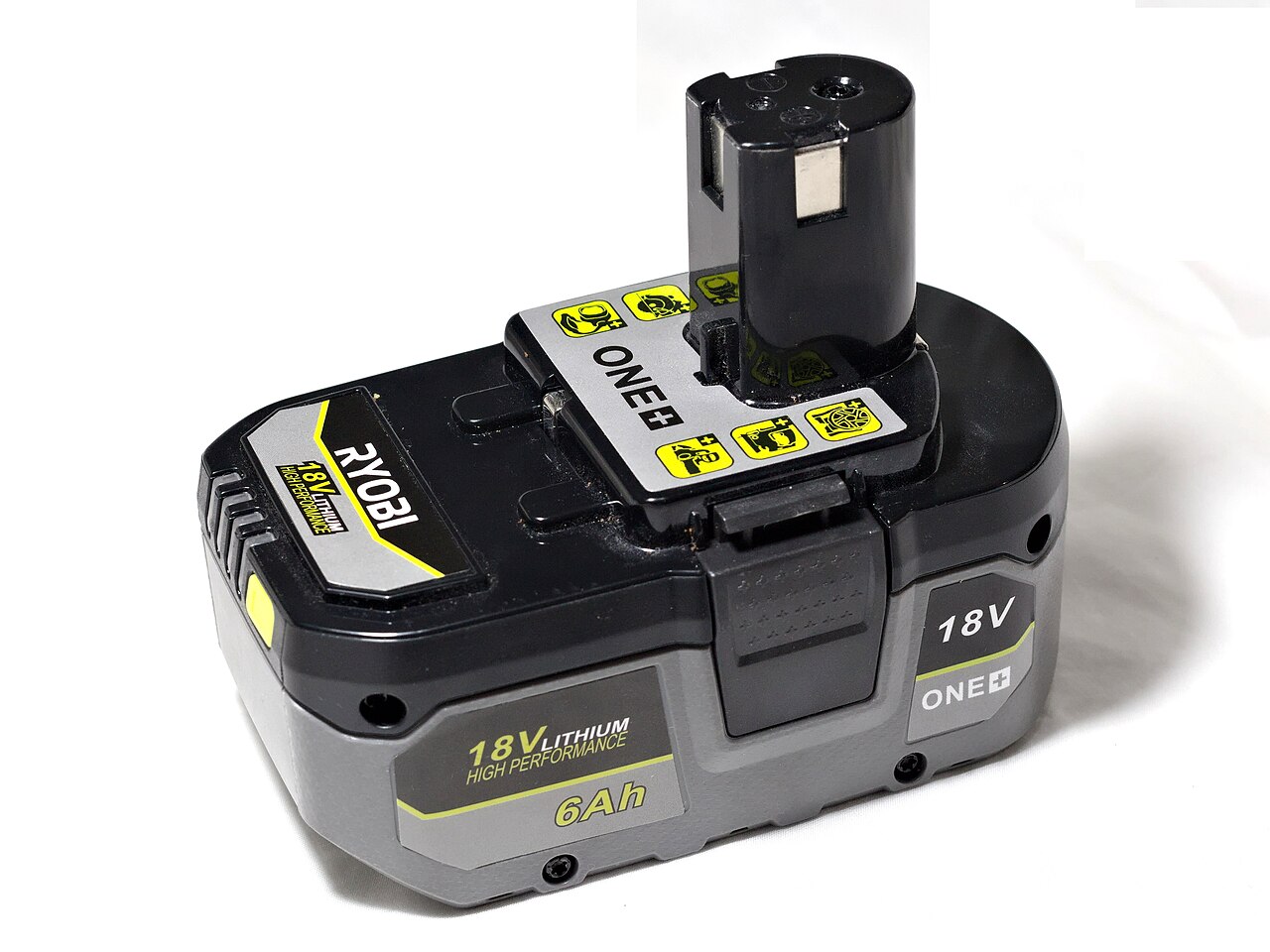

Counterfeit electronics are a real problem. Imitation chargers, cables, power banks and earbuds are sold online and offline, often at very tempting prices. They are not just lower quality; some are unsafe. Here is how to protect yourself.
Why fake accessories are risky
- Safety: poorly made chargers and batteries may lack proper insulation and protection circuits, which raises the risk of overheating or fire.
- Device damage: unstable voltage can harm your phone’s battery or charging port.
- Poor performance: weaker sound, shorter battery life and failures soon after purchase.
- No warranty: a genuine brand will not service a fake product.
Warning signs when shopping
- The price is far below normal. A famous brand’s product at a fraction of its usual price is a strong warning.
- The listing uses words like “first copy”, “master copy”, “1:1” or “AAA quality”. These openly describe imitations, not genuine products.
- Vague seller information. No business name, no invoice, no return policy or warranty.
- Stolen-looking photos. Generic images with no photos of the real unit or packaging.
Signs of a fake when the product arrives
- Packaging problems: spelling mistakes, blurry printing, poor-quality boxes or missing legal and certification information.
- Weight and build: chargers that feel unusually light, loose pins, rough edges or flimsy cables.
- Logos and markings: uneven fonts or logos, and missing or copied certification marks.
- Serial numbers: many brands let you verify a serial number on their official website. Duplicate or invalid serial numbers are a bad sign.
- Behaviour: unusual heat while charging, buzzing sounds, or devices that fail to pair or charge properly.
How to buy safely
- Buy from the brand’s own store, authorised dealers or reputable retailers.
- Ask for a GST invoice and keep it for warranty claims.
- Read recent reviews that include real photos and mention the exact model.
- Be especially careful with chargers, power banks and batteries, where failure has safety consequences.
If you already bought a suspected fake
Stop using the charger or battery, especially if it heats up. Ask the seller for a refund, keep proof of purchase, and report the listing to the marketplace or the brand. Replace it with a product from a trusted source.
A little extra checking before you buy costs far less than replacing a damaged phone, or worse.
Certification marks and registration in India
Certain electronics categories in India, including some chargers, adapters and batteries, are covered by Bureau of Indian Standards (BIS) rules, and compliant products carry a BIS registration mark and number. Rules differ by product type and change over time, so treat the mark as one clue among several and check current requirements. Where a registration number is printed, you can check it through the BIS website or its official app. A missing, blurry or obviously copied mark on a product that should have one is a reason to be cautious.
How to verify that a seller is authorised
- Look on the brand’s official website for a list of authorised retailers or online partners.
- Prefer sellers with a registered business name, GST number, physical address and phone number.
- Check that the seller offers a proper tax invoice and a written warranty or return policy.
- Read recent reviews for complaints about counterfeit or “not original” products.
- If a seller refuses to answer simple questions about the source of the product, walk away.
What genuine listings tend to look like
Trustworthy listings describe the exact model, list real specifications, show clear photos of the actual item and packaging, and state warranty and return terms in plain language. They do not hide behind vague claims such as “same as original”. A genuine seller has no reason to avoid saying which brand or model they are selling and whether it is under manufacturer warranty.
Unbranded is not the same as fake
A product that honestly carries its own brand, or no famous brand at all, is not a counterfeit. Counterfeits copy another company’s brand, logo or design to pass as the real thing. Many good accessories are sold under their own names at fair prices. What matters is honesty: the seller says what the product is, and the product does what it claims.
Reporting counterfeit products
If you buy something you believe is counterfeit, keep the packaging, invoice and photos. Contact the seller for a refund first. Then report the listing to the marketplace, and to the brand, which often has a channel for reporting fakes. Reporting protects other buyers and helps get dangerous items removed.
Quick checklist before you pay
- Is the price realistic for the brand and model?
- Does the listing name the exact model and warranty?
- Will I receive a tax invoice?
- Is the seller’s business information clear?
- Does the product carry the markings I would expect?
Frequently asked questions
Are cheap chargers always fake?
No. Low price alone does not prove a charger is fake, and many honest brands sell affordable chargers. The concern is a price far below normal for a famous brand, or a seller who cannot show where the product comes from.
Can a fake charger really be dangerous?
It can be. Chargers handle mains voltage, and poor insulation or missing protection circuits raise the risk of electric shock, overheating and fire. This is why it is worth buying chargers, power banks and batteries from trusted sources.
What should I do with a fake charger I already own?
Stop using it and dispose of it through a proper electronic waste collection point instead of throwing it in ordinary rubbish.