

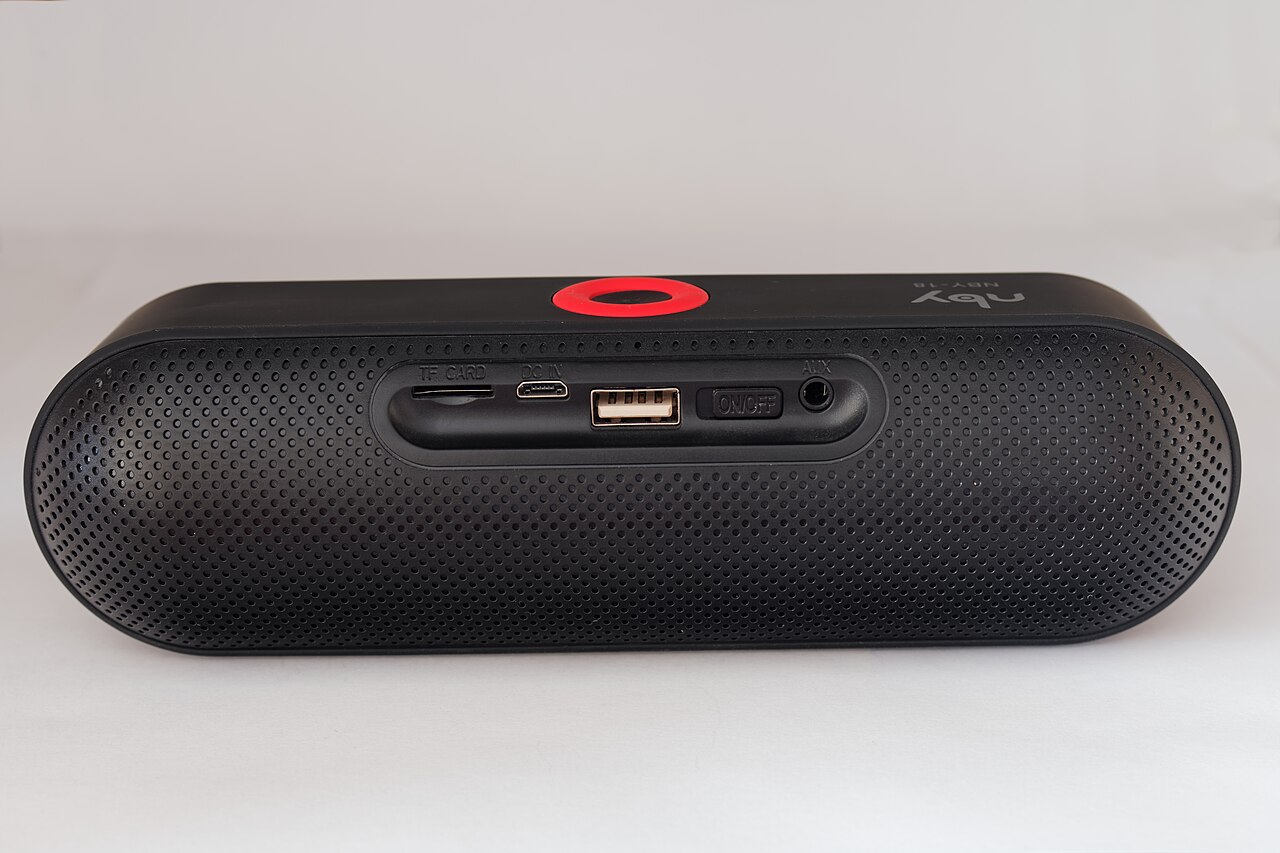

Bluetooth speakers are sold with impressive numbers on the box, such as huge wattage figures and marathon battery claims. Understanding what those numbers mean, and which ones actually matter for your use, helps you choose a speaker that sounds good and lasts. This guide walks through the important points.
Start with where you will use it
The best speaker for a bedroom desk is different from the best one for a beach trip or a garden party. Ask yourself three questions before looking at models:
- Will it mostly stay indoors, or travel with you?
- How loud does it need to be, and how many people will listen?
- Do you need it to survive rain, splashes or dust?
Your answers will narrow the field quickly. A small pocket speaker is easy to carry but limited in volume and bass. A larger speaker fills a room but is heavier and needs more frequent charging.
Understanding sound quality
Sound quality depends on the drivers, the enclosure and the tuning, not only the power rating. A few things help you judge:
- Size and weight: bigger enclosures generally allow deeper bass. Physics limits what a tiny speaker can do.
- Passive radiators or bass ports: these help small speakers produce more bass than the driver alone.
- Stereo pairing: many speakers let you connect two identical units for wider sound, which can be better than one larger speaker for a similar cost.
- Distortion at high volume: a speaker that sounds clean at moderate volume but harsh at full volume is less useful than one with more headroom.
Treat wattage figures with caution. The number can be measured in different ways, and it does not reliably predict how good a speaker sounds. Independent reviews that describe the sound, and if possible listening to the speaker yourself, are more useful than the printed watts.
Battery life
Manufacturers usually quote battery life at moderate volume. At high volume, especially with deep bass, the real figure is much shorter. As a rough guide, a small portable speaker may play for several hours, while larger ones can last many hours more. Also check:
- The charging port type. USB-C is common and convenient.
- How long a full charge takes.
- Whether the speaker can charge a phone. This is useful but drains the speaker’s own battery quickly.
Water and dust resistance
Look for an IP rating. In simple terms, the first digit describes protection from dust and the second from water. For example, IPX7 means the speaker can survive temporary immersion in shallow water, and IP67 adds dust protection. Ratings like IPX4 handle splashes but are not suitable for dunking. Keep charging port covers closed, rinse the speaker with fresh water after use in salt water or a chlorinated pool, and let it dry before charging.
Connectivity and features
- Bluetooth version and range: newer versions are more efficient and stable. Typical range is around ten metres in open space, less through walls.
- Aux input: useful for wired connections and for devices without Bluetooth.
- Built-in microphone: allows speakerphone calls.
- App or party mode: lets you link several speakers together or adjust the sound.
- Voice assistants: found in some models but not needed for most listeners.
Build quality and portability
Check for a sturdy grille, firm buttons, a strap or loop for carrying, and rubberised feet that stop the speaker vibrating off a shelf. Weight matters if you travel. A speaker that sounds great but is too heavy to carry will stay at home.
Where to place the speaker for better sound
- Place it at about ear height when possible, not on the floor.
- Putting it near a wall or corner increases bass, sometimes too much. Try different spots.
- Keep it away from thick fabric or inside cabinets that muffle the sound.
- For stereo pairs, place the speakers at a similar distance from you and a couple of metres apart.
How much should you spend?
Budget speakers are fine for casual listening and quiet rooms. Mid-range models usually improve sound, battery life and build quality noticeably. Beyond that, extra cost buys smaller improvements, more features and brand premiums. Decide your priorities, read reviews for the exact model and make sure the seller offers a warranty.
Frequently asked questions
Can I use a Bluetooth speaker while it is charging?
Most can, but battery life over time is better if you avoid keeping it fully charged and hot for long periods.
Why does the sound cut out sometimes?
Interference, distance, walls and a low battery are the usual causes. Move closer, remove obstacles and make sure the device software is up to date.
How do I improve bass on a small speaker?
Place it near a wall or on a solid surface, avoid soft furniture, and check whether the speaker has a bass boost setting. Do not expect very deep bass from a very small speaker.
Common mistakes when buying a Bluetooth speaker
- Choosing by the wattage figure. Two speakers with the same claimed power can sound completely different. Reviews and demonstrations tell you far more.
- Ignoring weight and size. A speaker you do not want to carry will not be used outdoors.
- Buying a waterproof speaker and never closing the port cover. Water resistance depends on the seals being closed and undamaged.
- Expecting big bass from a tiny unit. Small speakers can sound good but cannot move as much air as large ones.
- Overlooking warranty. Speaker batteries wear out over time. A clear warranty and available support are worth more than an extra feature.
Looking after your speaker
Avoid leaving the speaker in a hot car or in direct sunlight, since heat shortens battery life. Charge it occasionally even if you do not use it often, and keep the ports clean and dry. If it will be stored for weeks, leave it partly charged rather than empty.